
Lake County Resident Lookup Record Coverage
A resident lookup in Lake County compares narrow records rather than one master profile. The right starting source depends on the question. Property rolls show a recorded owner and parcel. Voter rolls confirm what election law releases. Court and probate files name cases and roles, historical sources cover only their own period, and every result should keep its record date visible.
| Record | What It Confirms | Where | Access |
|---|---|---|---|
| Property roll | Recorded owner, parcel relationship, and situs versus mailing distinction | Lake County Auditor | Online search and Auditor counter |
| Recorded instruments | Party, document type, legal description, and recording date | Lake County Recorder AVA/Laredo | Online index, counter, mail, or request |
| Voter registration | Registration and precinct/residence context released by Ohio law | Lake Board of Elections | Name-first service form; protected data excluded |
| Court or probate file | Case party, docket context, estate, guardian, or marriage-record function | Clerk ShowCase or Probate Court | Separate custodians and request routes |
| Vital or historic source | A certificate, death-index entry, obituary, or dated directory clue | General Health District, Ohio History Connection, or Morley | Record-specific copy, index, library, or archive access |
Pick the source most likely to carry its own date and identifier. A current parcel result fits an ownership question. A historic death-index line or a Morley directory entry belongs in a dated family trail. Neither proves where a person lives today.
Lake County Name Matches Need Two Records
A same-name result is a lead. It is not a match. Note the exact spelling, likely variants, a rough period, the community, and one address clue already in hand. A recorded owner may list another mailing address, and a court party may have no current local tie. A historic directory entry stops at its publication year.
For an older trail, the Lake County city directory collections and Haines criss-cross volumes at Morley Library can add a source-dated address. Test that clue against a parcel. A Recorder instrument, probate file, obituary, or census record from the same period works well. A blank search is not a biography. Name changes and index gaps hide people. So do other custodians and confidential treatment. A dated second record settles what a single hit cannot.
Note: Dates and roles matter more than a familiar name when a Lake County search returns several possible people.
Lake County Resident Lookup Court Fields
The Clerk’s ShowCase portal indexes Common Pleas cases only. It is not a person directory. It is not a statewide history file. Public case search covers cases from 1990 forward, and public document images begin in 2017 with Domestic Relations images excluded. Probate keeps its own case-search and request route, so estate and marriage questions belong there rather than with an assumption that ShowCase holds every court record.
| ShowCase control | Documented use |
|---|---|
| Judge, Division, Status, Court Type | Optional dropdown filters; live option lists are dynamic. |
| Search Type | Exact, SoundEx, or Starts With behavior helps test a known spelling or variant. |
| Show One Row Per Case | Optional checkbox that changes how results group cases. |
| Party/case inputs | Client-rendered text fields with labels that should be checked in the live portal. |
| Citation Search | A separate input with Search and Clear controls. |
Use the narrowest search that fits. SoundEx and Starts With can surface other spellings. They cannot resolve identity alone. Court type, division, status, and a matching time period help separate people who share a name.
The Recorder AVA search adds an independent property-document clue when a name connects to a parcel.
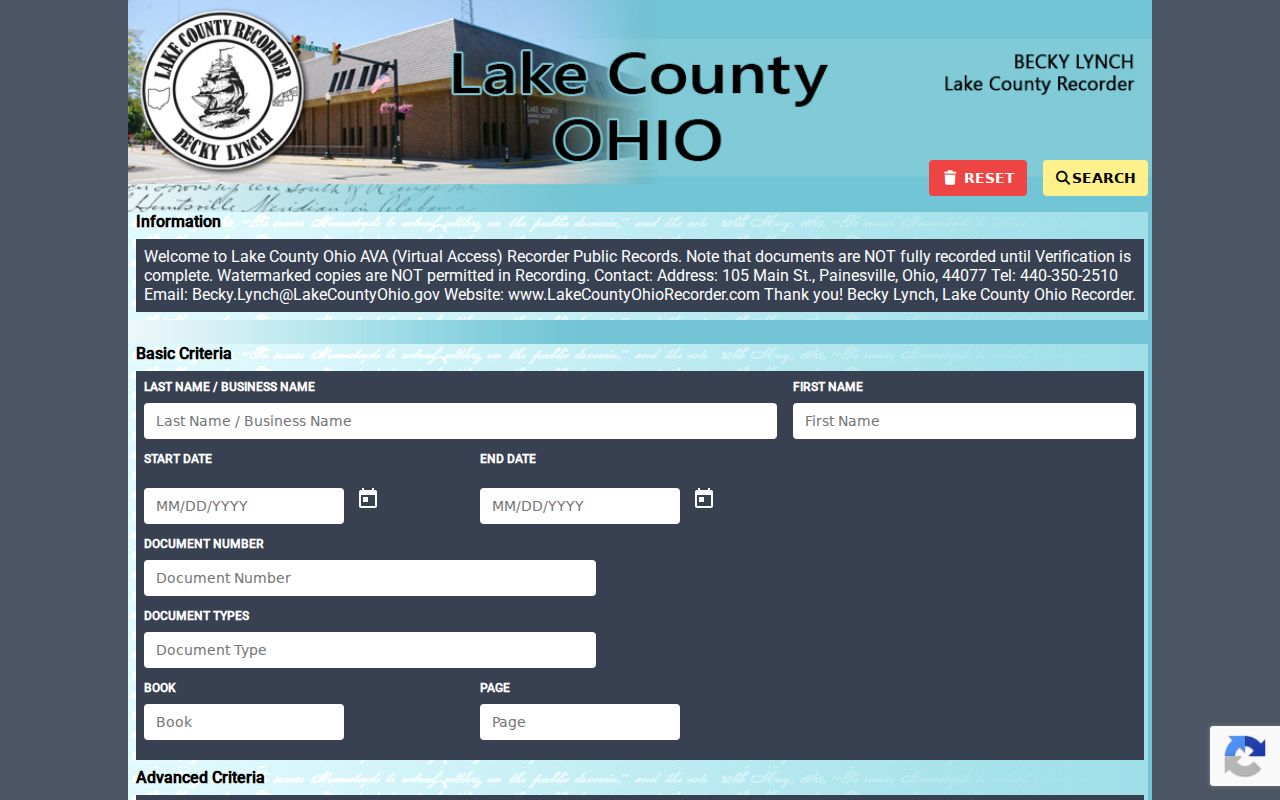
A Recorder result names a document relationship. It does not place the party at the property today.
Lake County Docket Results in Context
A ShowCase result often shows enough index detail to judge whether the file merits a check. Capture the case number first. Preserve the party name, court type, case type, division, status, judge, case dates, and any docket or disposition data. Note how you searched. That matters most with phonetic or starts-with methods.
- Case placement: court type, case number, case type, division, status, judge, and citation route.
- Identity handling: party-name results using Exact, SoundEx, or Starts With search behavior.
- Date context: docket or case information in the 1990-forward online coverage.
- Image availability: public images from 2017 forward, subject to case-type and information limits.
- Nonpublic limits: sealed and expunged matters are not available to public or registered portal users.
A docket is not an address claim. Court addresses can be historical, administrative, or incomplete. When a case matters, weigh it against an independently dated property, voter, probate, or historical record.
Verify a Lake County Resident Across Records
Anchor the name to independently checkable facts. That is the heart of a responsible lookup. One source at a time keeps each record in its lane. A family-history, estate, civic, or reconnection question then works without treating an owner, voter, or litigant as every person at an address.
- Search the Auditor by owner or known address. Record the parcel, community, and whether the property’s situs and mailing addresses differ.
- Search the Recorder for a matching party name and legal description. Check the document date and the recorded-deed spelling before using the result as a second point.
- Use the Lake or statewide voter lookup only for registration and precinct context permitted by law. Try a former surname or accepted name variant when appropriate.
- Search ShowCase or the distinct Probate Court system for a matching case number, dates, party role, and record type. Treat a case result without a period match as unresolved.
- Request one particular existing document from the custodian only if it is the missing link. Keep the source date and access limit with the result.
- Docket
- The court’s running list of events and filings in a case. It is an index to the case activity, not proof of a person’s current location.
- Index and image
- An index gives descriptive fields that locate a record. An image is the scanned document itself and may have separate coverage or access limits.
- Certified copy
- A custodian-issued copy bearing its certification. It is requested from the office that holds the record, not inferred from a screen result.
Lake County Resident Lookup Voter Limits
The official Lake Board of Elections form asks for a last name and a first name. The statewide Ohio lookup adds a county. Both tools are name-first. Neither is a street browser, and Lake County publishes no interface for typing a street to receive a voter list.
Ohio law opens specified fields only. Released details can include a name, birth date, current residence, precinct, registration date, voting history, and last activity date, subject to statutory exclusions. Voting history shows participation only. It never reveals ballot choices. Social Security numbers, driver-license and state-ID data, telephone, email, and confidential registrations are excluded.
The Ohio eLicense verification screen is another narrow source. It can confirm a credential within a participating board’s records.
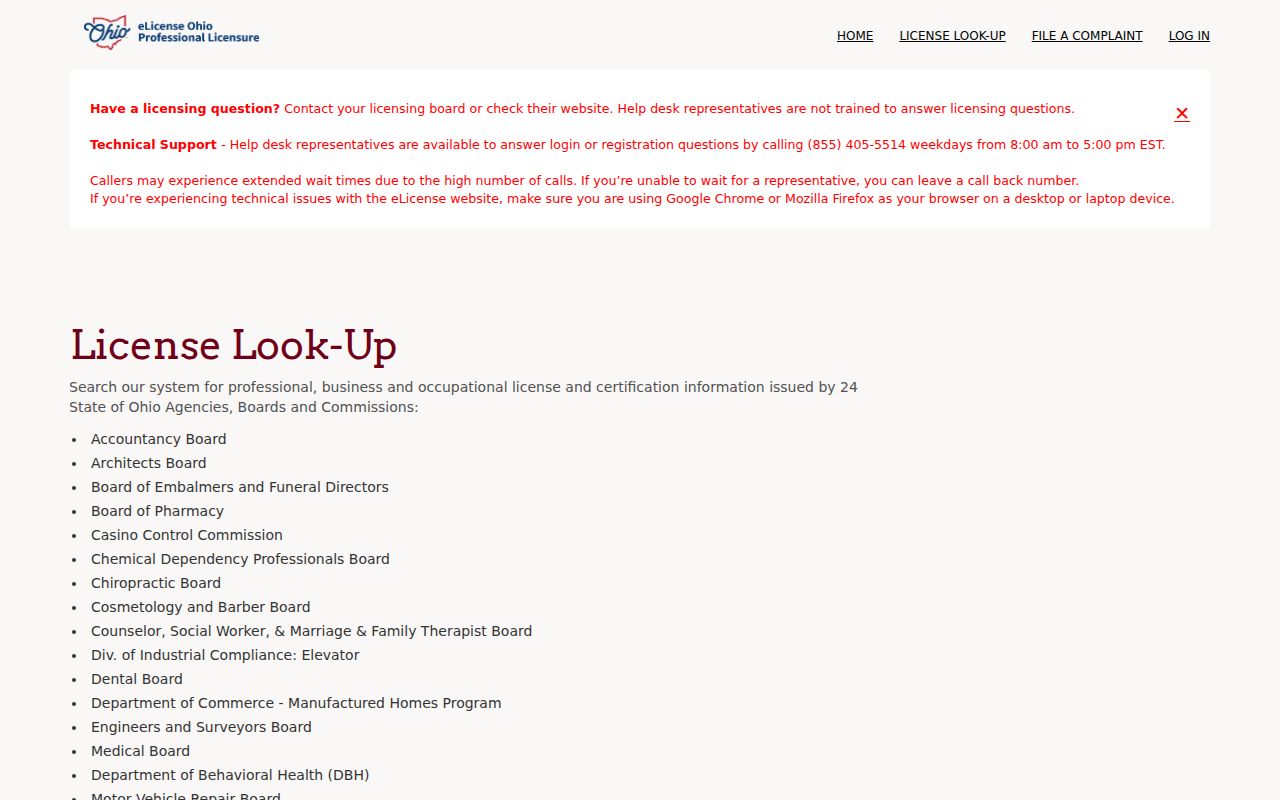
A license result is not a home address. And a Board of Elections no-result never proves someone is absent from Lake County.
Lake County Resident Records Have Different Keepers
Lake County keeps its resident records in several different offices. The Probate Court handles estates, guardianships, and marriage records. It offers its own search and request channels. A marriage certificate follows Probate procedures. Divorce and dissolution files sit with the Clerk of Courts. Domestic Relations images are not available in the public ShowCase interface.
Birth and death certificates for Ohio follow a different path. The Lake County General Health District offers walk-in, mail, phone, and email-assisted payment channels. It does not email or fax certificates. The Ohio History Connection keeps a historic death index with stated indexed runs. It is not a complete current local name index. Morley Library fills in historical context. Its directories, obituaries, census microfilm, and yearbooks supply dated background. They do not offer modern confirmation of a past resident.
Ohio also runs a state custody and supervision search. It answers supervision questions, not general Lake County resident lookup.
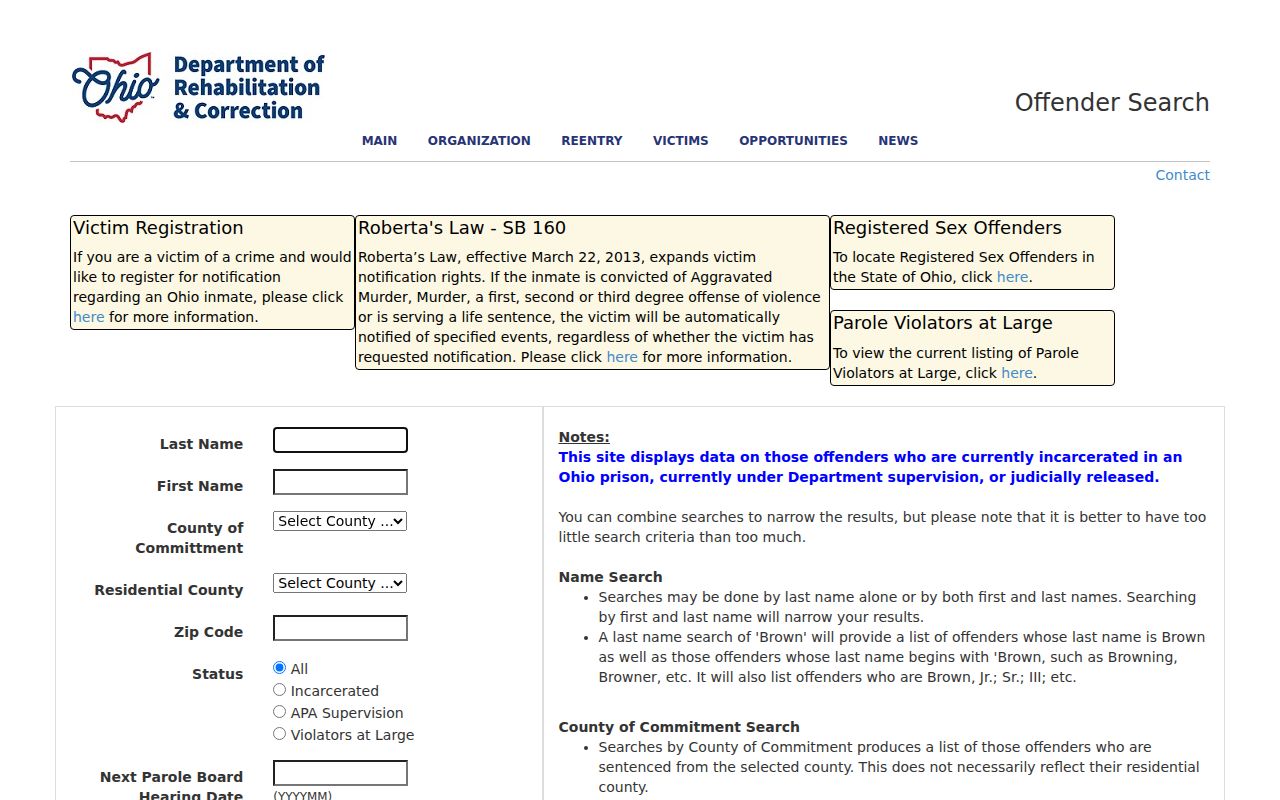
A custody record shows a last address. That entry does not say where the person lives now. Treat any result as a record point. Never use it to identify a household in the residents directory.
Note: Match every question to the right custodian first. A court, health office, library, and archive each hold different parts of the record.
Lake County Resident Lookup When Online Ends
Online coverage has firm edges in Lake County. The Recorder's index starts in 1986. Images follow from 1987. ShowCase reaches cases from 1990 forward. Public images start with 2017 filings, except for Domestic Relations. When a record falls outside those ranges, go to the office that holds it rather than reading a blank screen as a final answer.
The Ohio Public Records Act, R.C. 149.43 sets the fallback rules. A public office must promptly prepare responsive existing records for inspection during regular hours and provide copies at cost within a reasonable time, subject to exceptions. No written request is required. The law does not force a custodian to create a new resident list, and it shields sealed, adoption, medical, confidential voter, and Safe at Home information from a city directory style lookup.
For a Clerk record missing from the web, email PublicRecords@LakeCountyOhio.gov with the case number and the document you want. Unknown divorce case numbers need both married names plus the year. Non-certified copies can arrive as free PDF attachments. Certified and physical copies follow the Clerk's stated copy and certification fees. Counter, library, archive, and office-specific request routes still matter when an online index stops. A records office, not a search box, is the last stop for older parcels, deeds, and case files.
Lake County Resident Lookup Privacy Limits
Ohio's open-records law has real exceptions. Adoption files are not open to ordinary public-record searches. Safe at Home participants get confidential voter treatment and address protection. A real-property confidentiality notice can change how covered county data appear in the residents directory. A thin or empty result may mark a safety boundary, not a mistake to defeat.
Corrections go to the office that owns the data. The Auditor handles property-roll questions. The Recorder handles recorded documents and index entries. The Board handles voter records. The Clerk controls court-file access, while the Health District runs local certificate procedures. No single countywide request can remove a person from every lawfully maintained public record. Those records run from property rolls to the street directory.
Lawful use. Use Lake County records for personal, historical, estate, civic, or safety-aware research. Never use a result to track, pressure, stalk, harass, or harm another person.